Custom Overmolding Services: Guide to Manufacturing Multi-Material Products
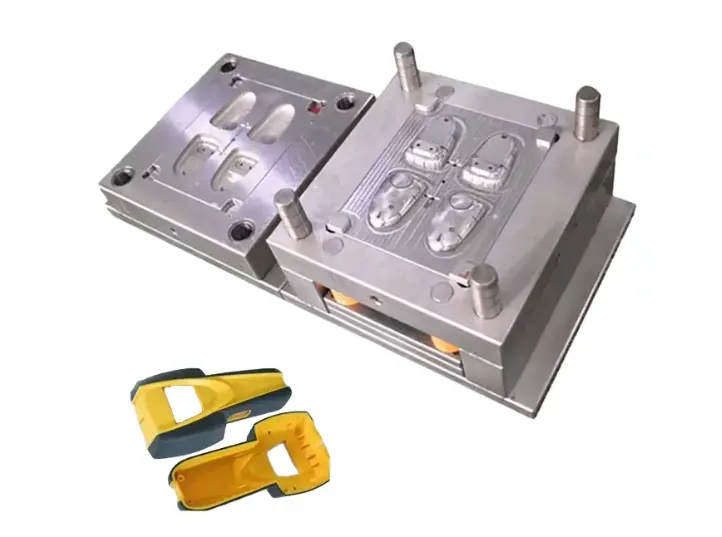
As product designs become more advanced, the need for components that combine strength, comfort, safety, and visual appeal continues to grow. Many of these requirements cannot be met with a single material. That’s why servicios de sobremoldeo por inyección have become an essential technology in modern manufacturing.
Overmolding allows two or more materials—usually a rigid plastic with a soft elastomer—to be fused together to create a high-performance, integrated part.
Also Read: Restsify: QR digital menus that are changing gastronomy
From protective casings for electronic devices and ergonomic tool handles to waterproof seals and medical components, overmolding offers unique functional and aesthetic advantages. This guide explains what overmolding is, how it works, what materials are used, and how to choose the right supplier for your project.
What are Injection Overmolding Services?
Overmolding is a multi-stage injection molding process that permanently bonds one material to another. It typically involves molding a soft elastomer onto a rigid plastic or metal substrate.
The result is an integrated component that improves grip, comfort, impact resistance, or sealing ability.
A professional overmolding service includes:
- Design consulting and DFM
- Substrate molding or supply
- Secondary overmolding using elastomers
- Two-shot injection molding
- Material compatibility analysis
- Custom colors, textures, and finishes
- Final assembly and packaging
All of this allows for the manufacture of complex parts without adhesives, screws, or additional manual processes.
How the Overmolding Process Works
Overmolding is normally performed using two main methods:
1. Two-Shot Injection Molding
The same machine performs two injections in sequence using two independent barrels.
Advantages:
- Maximum precision
- Strong bond between materials
- Reduced cycle times
- Ideal for high-volume production
- Common in automotive and consumer electronics
2. Insert Overmolding
A preformed substrate is placed in the mold manually or by robots, and overmolded with the second material.
Ideal for:
- Small and medium-sized lots
- Metal-plastic components
- Custom or low-volume parts
Both methods guarantee a perfect bond between materials, and the choice depends on the budget, design, and production volume.
Key Advantages of Overmolding Services
1. Improved Comfort and Ergonomics
Elastomers such as TPE or TPU provide grip, softness, and cushioning for tools, electronic devices, fitness products, and more.
2. Superior Durability
Overmolded parts are resistant to:
- Repetitive impacts
- Flexion and torsion
- Vibration
- Severe environmental conditions
The firm bond prevents detachment or delamination.
3. Impermeability and Environmental Protection
Overmolding provides airtight seals used in:
- External sensors
- Smart devices
- Medical equipment
- Automotive switches
Protects internal components against water, dust and moisture.
4. Improved Safety and Insulation
The overmolded layer adds:
- Electrical insulation
- Impact damping
- Non-slip surfaces
- Thermal protection
It is crucial in industrial tools and household appliances.
5. Better Aesthetics and Brand Value
Overmolding allows:
- Dual color
- Special textures
- Soft-touch surfaces
- Grip zones with patterns
This creates a more attractive and premium product.
6. Reduction of Assembly Steps
Direct in-mold bonding eliminates:
- Adhesives
- Screws
- Additional pads
- Handwork
It reduces the total cost and speeds up production.
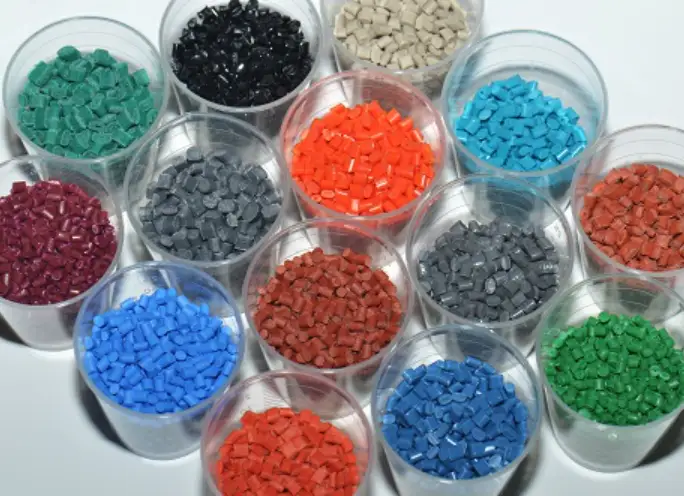
Common Materials in Overmolding
Typical rigid substrates:
- ABS
- Polycarbonate (PC)
- Polypropylene (PP)
- Nylon PA6 / PA66
- PBT
- Metals (steel, aluminum, brass)
Materials for overmolding:
- TPE
- TPU
- POS
- Soft-touch polymers
- Silicone (special applications)
Thermal, chemical, and mechanical compatibility is essential for a strong bond.
Industries that Use Overmolding
Overmolding is highly versatile and is used in:
Automotive
Internal components, electrical connectors, seals, gripping areas and anti-vibration parts.
Consumer Electronics
- Wearables
- Remote controls
- Game controls
- Chargers
- Headphones and cable protectors
Medical Sector
- Ergonomic handles
- Non-slip surfaces
- Seals in diagnostic devices
Industrial Tools
For demanding environments where resistance and impact are required.
Home and Personal Care
Kitchen tools, grooming devices, cleaning supplies and household appliances.
How to Choose an Injection Overmolding Supplier
Your manufacturer should offer:
1. Specialized Engineering and DFM
To prevent bonding failures, deformation, or shrinkage.
2. Advanced Mold Manufacturing Capabilities
Including high-speed CNC, EDM, multi-cavity design, and rotary molds.
3. Two-Shot Machines
Mandatory for large-volume projects.
4. Strict Quality Control Systems
Certifications such as:
- ISO 9001
- IATF 16949
- ISO 13485
Required tests:
- Adhesion tests
- Dimensional measurement
- Materials verification
5. Mastery of Multimaterial Materials
To ensure compatibility between polymers.
6. Flexible Production
Prototypes, pre-series, mass production and final assembly.

Why Overmolding Offers Long-Term Advantages
An expert provider allows you to obtain:
- More ergonomic products
- Greater reliability
- Stronger brand identity
- Fewer manufacturing processes
- Improved performance under stress
- Faster launch cycles
Conclusion: The Value of Custom Overmolding
Injection overmolding services enable the creation of innovative, high-performance components that combine functionality, convenience, and style. Whether for automotive, electronics, medical devices, tools, or consumer products, overmolding enhances user experience, durability, and production efficiency.
Partnering with a professional manufacturer ensures reliable bonding, flawless finishes, and consistent quality across all batches. With expert engineering and state-of-the-art molding technology, your multi-material products will excel in both performance and aesthetics.