
Why Mining Sites Need Quality Safety Mats
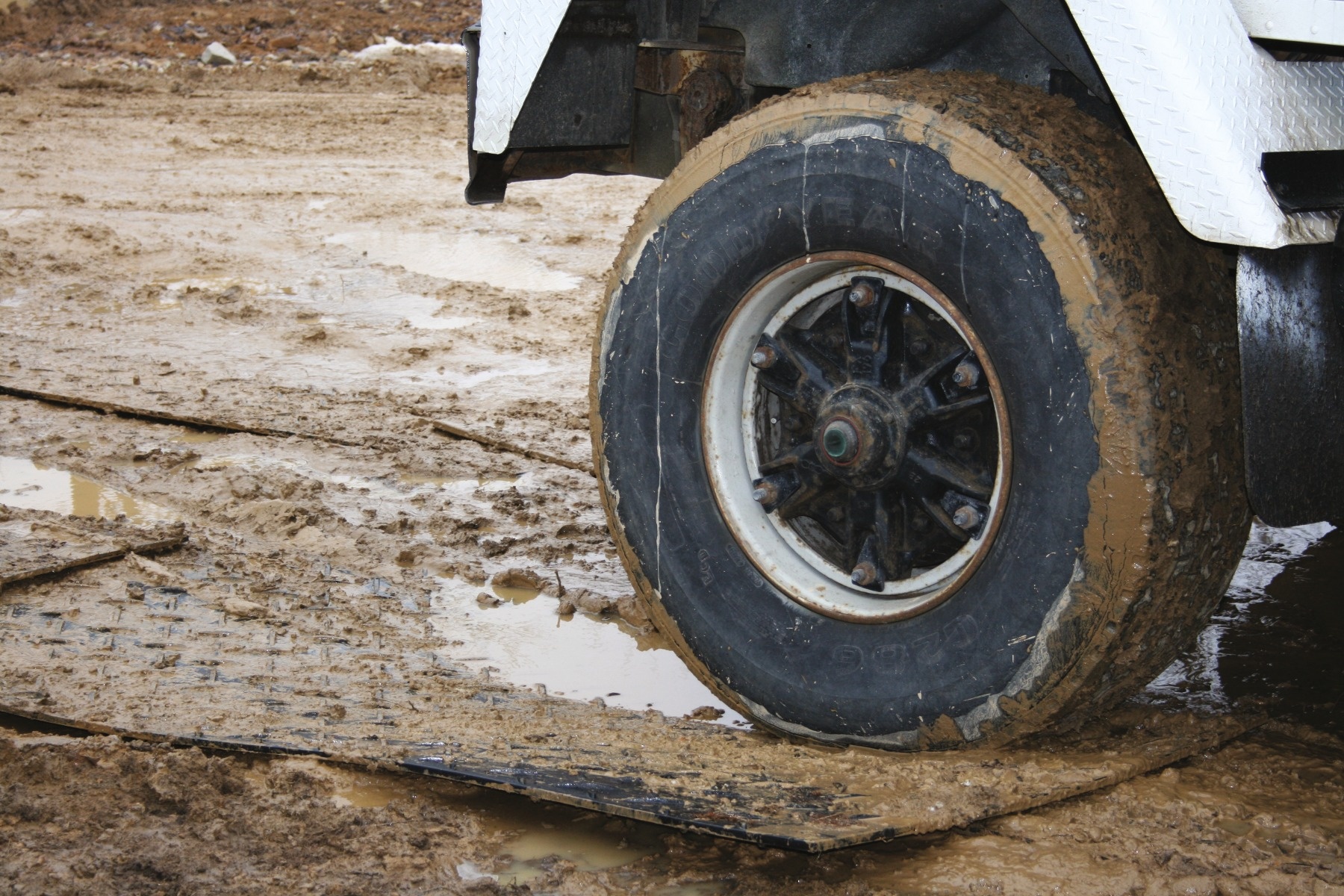
Mining operations present some of the most demanding workplace safety challenges of any industry. The combination of heavy equipment, hazardous materials, extreme environments, and complex logistics creates conditions where even minor oversights in safety management can have serious consequences. Ground-level safety — what workers stand on, move across, and interact with at floor level — is one dimension of mining safety that deserves more attention than it sometimes receives.
Falls are a significant contributor to injury statistics in mining. Slips on wet or oily surfaces, trips on uneven ground, and falls from platforms and access ways all appear in mining incident reports. While comprehensive fall prevention requires engineering controls, safe work procedures, and appropriate footwear, the surfaces that workers move across play an important supporting role. Anti-slip and drainage matting in key areas reduces the slip risk that would otherwise be present on bare metal, concrete, or wet earth surfaces.
Anti-fatigue matting matters in mining too, though it is less often discussed. Workers at control stations, processing plants, and maintenance facilities who stand for extended periods on hard surfaces experience the same cumulative physical fatigue as workers in any other industry. That fatigue affects alertness and reaction time, which in a mining environment can be the difference between a near-miss and a serious incident. Addressing this with appropriate matting is a simple and cost-effective control.
Matting requirements in mining environments
The matting used in mining and heavy industry settings must meet specifications that go well beyond what is required in general commercial or office environments. Weight-bearing capacity, chemical resistance, temperature tolerance, and durability under constant heavy use are all critical performance characteristics. Products designed specifically for these applications — such as the range of safety mats for mining available through specialist industrial safety suppliers — are engineered to maintain their anti-slip and anti-fatigue properties under conditions that would rapidly degrade a general-purpose product, providing genuine protection rather than a token safety measure.
Chemical resistance is particularly important on processing sites. Mining operations involve a range of aggressive substances — acids, alkalis, solvents, and hydraulic fluids — that can degrade standard rubber or polymer matting rapidly. Matting that absorbs these substances loses its structural integrity and anti-slip properties and may itself become a hazard. Selecting materials that are rated for the specific chemicals present in each area of the operation is essential for both safety and cost-effectiveness.
Temperature extremes are another consideration. Areas near furnaces, kilns, or other high-temperature processes require matting that can withstand elevated temperatures without deforming, degrading, or releasing hazardous compounds. At the other extreme, workers in refrigerated processing areas or cold regions need matting that remains flexible and grippy in low temperatures. Products rated and tested across the relevant temperature range provide assurance that general-purpose products cannot.
Drainage performance is critical in areas where water, coolants, and process fluids are regularly present. Open-grid matting that allows liquids to drain away from the walking surface is the standard approach in wet process areas. The drainage rate, the gap size in the grid, and the cleaning regime all affect long-term performance. Areas with high solid contamination — including fine particulate matter common in mineral processing — require drainage designs that do not readily clog and that can be cleaned effectively.
Procurement and compliance considerations
Procurement of safety matting for a mining operation should be treated as a safety-critical purchasing decision, not a general facilities management procurement. The specifications need to be defined by people who understand the hazards present in each area of the site, and the products selected need to be verified against those specifications by the supplier. Accepting the lowest-cost option without this verification process is false economy.
Australian mining operations are subject to detailed safety regulation, and the standards that apply to flooring and underfoot surfaces are part of that framework. Keeping records of what products are installed, where, when they were last replaced, and how they performed during safety audits is important for compliance. Mining companies that want to benchmark their safety practices against industry standards and find reliable resources can consult a list of Australian websites covering safety, industry associations, and regulatory bodies to identify the most authoritative sources of guidance for their specific sector and jurisdiction.
Site-specific risk assessments should inform mat placement decisions. Not every area of a mining operation presents the same slip, trip, or fatigue risk, and a well-targeted deployment of matting — focused on the highest-risk zones — is more effective and more cost-efficient than a blanket approach. Maintenance access platforms, pump stations, control rooms, and areas near water use or chemical storage are typically among the highest priorities.
Maintaining matting in operational conditions
Mining environments are hard on equipment of all kinds, and safety matting is no exception. A maintenance and inspection regime for matting should be part of the broader site safety management system, not an afterthought. Visual inspections at regular intervals, with defined criteria for mat replacement and a clear process for removing degraded mats from service, ensure that the protection the matting provides is maintained over time.
Cleaning regimes affect both safety performance and mat longevity. Mats that are allowed to accumulate heavy contamination lose their anti-slip properties and become themselves a source of contamination on the sole of boots carried across the site. The right cleaning approach depends on the type of mat and the nature of the contamination — pressure washing suits some products, while others require different methods. Supplier guidance on cleaning should be followed and documented.
The investment in quality safety matting across a mining operation is small in the context of the overall operational budget, but the contribution to safety outcomes is disproportionate. A single avoided slip-and-fall incident — preventing injury, treatment costs, investigation time, and potential regulatory attention — represents a return that dwarfs the cost of the matting many times over. In mining, where the consequences of injuries are often severe, this is a straightforward investment to justify.